
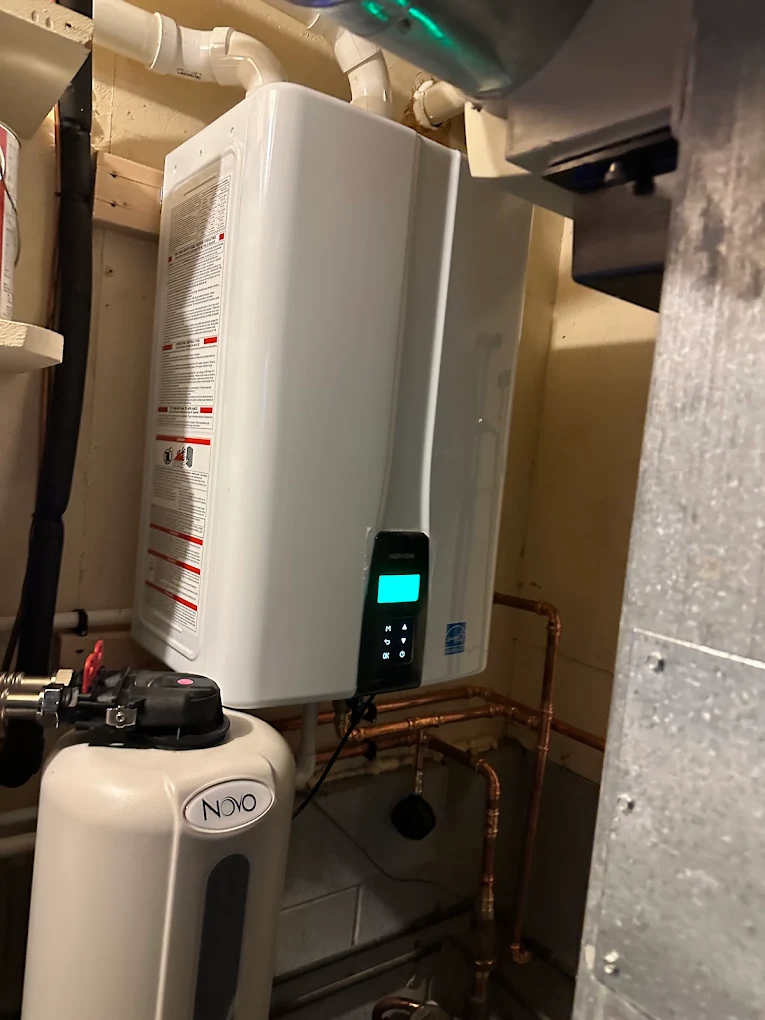
Your hot water ends much sooner than it used to, and the obvious frustration is that showers, laundry, and dishwashing stop being comfortable. If your water heater is running out of hot water, you may be left guessing whether the issue is a simple fix or a sign that the system is failing. Homeowners often worry about costs and disruption, and not knowing the cause can make the situation feel urgent and confusing.
Running out of hot water in the middle of a shower is more than an inconvenience. It can point to several different water heater problems that are easy to misdiagnose. Some causes are minor and reversible with regular maintenance, while others mean worn parts or a mismatch between demand and capacity. Understanding the likely culprits and straightforward checks you can do will reduce stress and help you decide the best next steps.
This article walks through common causes, simple diagnostic checks, and whether a repair or a water heater replacement is more likely. It also explains maintenance steps that help prevent repeat problems and notes related systems to inspect so you do not miss an obvious link.
Common Reasons Your Hot Water Runs Out Too Quickly
The most direct causes are sediment buildup, failing heating elements or burners, a broken dip tube, or demand that exceeds tank capacity. Each of those problems changes how much usable hot water your tank delivers and how quickly it recovers between uses. Sometimes what feels like a shortage is actually a slow recovery time caused by a weak heating source or thermostat setting that is too low.
Water heater age matters because older tanks tend to accumulate scale and lose efficiency, which shortens the run of hot water you can get from a single draw. If you notice a sudden change in available hot water rather than a gradual decline, focus on components that can fail suddenly, such as thermostats or heating elements. Routine maintenance often prevents slow declines from becoming sudden failures.
Water heating accounts for a significant portion of home energy use, and regular maintenance helps prevent premature failure and improves efficiency.
Sediment Buildup and Failing Parts Can Reduce Hot Water
Sediment buildup in the bottom of a tank reduces the amount of hot water the tank can supply and interferes with heat transfer. Over time minerals separate out and form an insulating layer that forces the burner or element to work harder and recover more slowly, which makes it feel like you are running out of hot water faster. Flushing the tank on a schedule is a common maintenance step that reduces this problem.
A failing heating element or gas burner is a classic water heater problem that shows up as shorter hot water delivery and longer recovery. Electric tanks have two elements and a thermostat that can fail, while gas units may develop burner or pilot light issues that reduce heat. If one element or the burner is not working, the tank still has water but it cannot be brought back up to temperature quickly.
A broken dip tube lets incoming cold water mix with hot water at the top of the tank instead of filling the bottom, which means hot water is depleted much faster. The dip tube problem often shows as lukewarm water at first use, followed by rapid cooling. Replacing the dip tube is a common repair and can restore proper hot water distribution if the tank is otherwise healthy.
What to Check Before Calling for Water Heater Repair
Start with the simplest checks: measure the tank temperature at the thermostat, look for visible leaks, and time how long it takes to recover after a full hot-water use. Write down how long a shower stays hot and whether other fixtures lose heat at the same time. Comparing these observations to the tank size and thermostat setting gives a quick sense of whether the problem is capacity, recovery, or supply.
Inspect fixtures and aerators because restricted flow or mixing valves at showers and faucets can mimic low hot water supply. Mineral buildup inside an aerator or a thermostatic mixing valve that is set too low will reduce hot flow and make hot water seem to run out sooner than it should. If you find clogged screens, cleaning them is a low-effort step before more invasive checks.
If you prefer professional diagnosis, a plumber can test elements, check gas pressure, and measure recovery rate to identify the root cause accurately. Professionals who work in the area can also compare your symptoms to typical local water conditions and common water heater problems to narrow possibilities. When diagnostic testing points to a specific failed part, water heater repair Portage IN professionals can advise on repair versus replacement based on age and condition.
When Water Heater Repair Makes Sense
Repair is the reasonable first choice when a single component fails and the tank is otherwise in good shape and not near the end of its expected life. Replacing a thermostatic element, fixing the burner, or replacing a dip tube will often restore service quickly without replacing the whole unit. Smaller repairs are usually less disruptive and cost-effective when the system is relatively new.
Replacement becomes the better choice when multiple parts are failing, the tank is leaking, or the unit is over a decade old and showing declining performance. An older water heater that requires frequent repairs will likely cost more over time than a properly sized replacement. Also consider replacement if you want improved efficiency or more hot water capacity to meet changing household needs.
Beyond the water heater itself, check related equipment in the same area because problems can be interconnected. For example, a basement with persistent moisture or backup issues may indicate the need to inspect the building’s drainage and sump pump. If you have a sump pump, regular professional inspection of that device and any related piping is important. Consult local sump pump services if you suspect standing water or system stress.
When Water Heater Replacement May Be the Better Choice
A water heater replacement becomes more practical when the tank is leaking, several major components are failing, or repairs keep adding up. Age also matters. An older unit with declining performance may continue developing problems even after one damaged component is replaced.
Household demand is another reason to consider replacement. If your current tank is working correctly but regularly runs out of hot water during normal use, its capacity may no longer match your household. A properly sized replacement can provide more usable hot water and better recovery between showers, laundry, and other daily tasks.
Before replacing the unit, it helps to confirm that capacity is actually the problem. A plumber can compare the tank size, recovery rate, household demand, and condition of the existing equipment to determine whether replacement offers a meaningful improvement.
Maintenance That Helps Keep Hot Water Available
Regularly flushing the tank and checking the anode rod slow corrosion and reduce sediment accumulation that steals usable hot water capacity. Flushing removes mineral buildup that sits beneath the burner or element and impairs heat transfer, making the heater slower to recover. Checking the anode rod every few years helps extend the tank life by reducing rust inside the tank.
Set the thermostat to a safe but efficient temperature and verify that thermostatic controls function properly, because a miscalibrated thermostat can underheat the tank. Many households find a balance between energy use and adequate hot water by keeping the setting around the manufacturer’s recommended temperature. If you are unsure, a qualified technician can measure the actual water temperature at the tap to confirm what the tank is producing.
Document the unit age, maintenance work, and any repairs so you can make informed decisions later about repair versus water heater replacement. Keeping a written log of flushes, anode replacements, and part changes gives you a clearer picture of the system’s condition over time. That history is useful when comparing the likely remaining life of an older tank to the benefits of installing a newer, more efficient model.
Other Plumbing Problems That Can Feel Like a Hot Water Shortage
Sometimes the shortage of hot water is actually a symptom of unrelated plumbing problems like cross-connections, leaks, or blocked vents in the drainage system. A cross-connection lets cold water mix into the hot-water line, reducing delivered temperature without any failure in the heater itself. A slow or clogged drain can also make appliance cycles behave oddly and cause perceived hot water shortages.
Leaks in the hot-water supply lines reduce the amount of hot water that reaches faucets and can lower pressure, making showers cool off sooner than expected. Hidden leaks are especially deceptive because you can lose a lot of volume without obvious signs until the leak worsens or causes water damage. An experienced plumber will trace the hot-water lines and pressure to find any hidden loss points.
Clogged fixtures and slow drainage can create problems that feel like the heater is the issue, so inspect and clean showerheads and faucet aerators periodically. If you suspect a blockage or slow drainage, professional clogged drain clearing will confirm whether the issue is in the fixture, the trap, or deeper in the system. Cleaning or repairing the correct part of the system often restores normal hot-water performance without touching the heater.
Related Resources for Water Heater Problems
For more detail, review Plumbing Pilots’s water heater services page and its sump pump services resource before making a final plan. These pages provide additional context about the services and decisions discussed above, while keeping the focus on what applies to your property and priorities.
You can also explore clogged drain clearing when that aspect of the project affects your situation. For independent background, Water heating accounts for a significant portion of home energy use, and regular maintenance helps prevent premature failure and improves efficiency. offers high-authority educational guidance that supports a careful, informed decision.
Frequently Asked Questions
1. Why Does My Shower Go Cold So Quickly?
Plumbing Pilots in Portage, Indiana can help determine if the cause is the heater or a mixing issue. Often the problem is a dip tube or a thermostat issue inside the tank, but it could also be a mixing valve at the shower. A local technician from Plumbing Pilots will compare shower performance to tank output to identify the root cause and explain whether repair or replacement makes sense.
2. How Long Does a Water Heater Usually Last?
Plumbing Pilots in Portage, Indiana advise that most tanks last around 8 to 12 years depending on water quality and maintenance history. Regular flushing, anode rod checks, and prompt repairs can extend that life, but repeated failures or leaks mean it is time to consider water heater replacement. Your local Plumbing Pilots technician can review the unit’s age and service history to recommend the practical option.
3. Can I Fix a Water Heater That Keeps Running Out of Hot Water?
Plumbing Pilots in Portage, Indiana recommend basic maintenance like flushing the tank and checking the thermostat, which some homeowners can do safely. More complex tasks such as replacing heating elements, gas burners, or diagnosing a dip tube problem are best handled by trained plumbers. For accurate diagnosis and safe repairs, consult Plumbing Pilots so the job is done correctly.
4. Will a New Water Heater Fix Frequent Hot Water Shortages?
Plumbing Pilots in Portage, Indiana say that upgrading can solve shortages when the root cause is capacity limits or old, inefficient equipment. A properly sized, modern unit will provide more usable hot water and often recover faster than an older tank. Plumbing Pilots can help evaluate whether a new unit or targeted repairs will best match your household needs.
Conclusion
If your water heater is running out of hot water faster than it used to, sediment buildup, a failing heating element or burner, thermostat problems, a damaged dip tube, or increased household demand may be responsible. A sudden change often points to a failed component, while a gradual decline can indicate sediment buildup, aging equipment, or reduced efficiency.
Simple checks can help narrow down the cause, but recurring shortages deserve a closer inspection. Knowing whether the problem involves a repair, maintenance issue, or inadequate tank capacity can help you avoid replacing equipment that still has useful life.
Plumbing Pilots Is Ready to Help in Portage, Indiana
Plumbing Pilots is available to diagnose water heater issues and explain repair and replacement options clearly to Portage, Indiana homeowners and businesses. If your home is running out of hot water frequently, visit the Plumbing Pilots website or use the contact form there to request service or to ask for an informed assessment. Their team can review your symptoms and maintenance history and recommend the next steps for reliable hot water.