
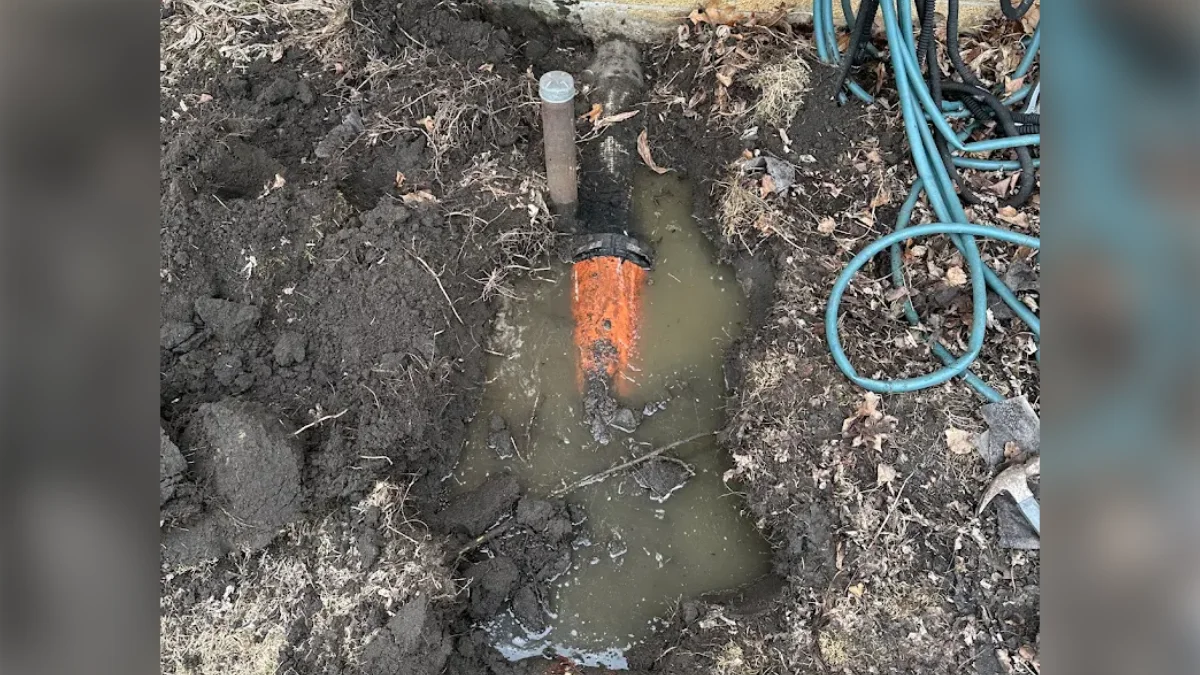
If your drains keep clogging no matter how many times you clear them, the problem almost certainly isn’t the drain itself. It’s what’s happening further down the line, in the parts of your plumbing you can’t see or reach with a plunger. And until you address the real cause, you’ll keep fighting the same battle every few weeks.
You’ve poured the Drano down. You’ve plunged until your arms gave out. Maybe you even rented a drain snake from the hardware store on Route 6. And two weeks later, the water’s pooling around your feet in the shower again. That’s not bad luck. That’s a sign that something deeper is going on, and store-bought solutions aren’t built to find it.
Why Chemical Drain Cleaners Keep Letting You Down
Chemical drain cleaners don’t actually fix clogs. They dissolve enough of the surface to restore flow temporarily, but the core of the blockage usually stays right where it is, waiting to catch the next wave of hair, grease, and debris.
That’s a problem for a couple of reasons. First, the partial clog rebuilds fast, sometimes within days. Second, repeated use of chemical cleaners can damage your pipes over time. Older galvanized steel pipes, which are common in homes built in Portage and Hobart during the 1950s and 60s, are especially vulnerable. PVC pipes can also degrade with repeated chemical exposure. You’re not just failing to fix the problem. You may be making the pipes worse.
The Real Reasons Your Drains Keep Coming Back
Here’s the thing. Recurring clogs aren’t random. They have specific causes, and each one requires a different fix. Understanding what’s actually happening inside your pipes is the first step toward solving it for good.
Cause 1: The Clog Was Never Fully Cleared
A partial clog is the most common reason drains keep coming back, and it’s exactly what most DIY methods leave behind. When you restore water flow but leave debris clinging to the pipe walls, you’ve created a perfect net for catching the next round of buildup.
Professional drain cleaning removes the entire blockage, not just enough to get water moving again. Hydro-jetting, for example, blasts water through the pipe at high pressure and scrubs the walls clean from the inside. A mechanical snake operated by a trained plumber goes further and applies more torque than a rental unit from the hardware store. The difference between “drains okay” and “drains like it’s new” is the difference between a partial fix and a complete one.
Cause 2: Grease and Soap Scum Are Coating Your Pipes
Every time you pour bacon grease, cooking oil, or fatty liquids down the kitchen sink, a thin layer sticks to the pipe wall. It doesn’t wash away. It solidifies. Over months and years, that layer gets thicker and thicker, gradually narrowing the pipe opening until even normal water flow becomes sluggish.
Soap scum in bathroom drains works the same way. The combination of hard water minerals (and Northwest Indiana has notably hard water) with bar soap residue creates a sticky film that coats the inside of your pipes. (If you’ve noticed white or gray buildup around your faucets or showerhead, that’s the same mineral content at work inside your drains too.) Regular professional drain cleaning physically removes that buildup from the pipe walls, not just from the center of the pipe where water flows.
Cause 3: Hair and Soap Scum Are Forming a Dense Mass
Hair is one of the trickiest clog materials because it doesn’t dissolve and it doesn’t flush. It coils around itself and around any soap residue nearby, forming a dense, sticky mass that anchors itself to the pipe walls.
A drain snake can pull out part of that mass, but it often leaves strands clinging to the pipe. Those strands become the foundation for the next clog. Professional cleaning combined with a quality drain hair catcher installed over the drain is the most effective long-term solution for bathroom drain clogs that keep coming back. It sounds simple. But it works.
Cause 4: Tree Roots Have Entered Your Sewer Line
This is one of the most common causes of recurring main line clogs in NWI neighborhoods, and most homeowners never suspect it. Tree roots are naturally drawn to the moisture and nutrients inside sewer pipes. They find small cracks or gaps at pipe joints, push through, and then grow inside the pipe, creating a web that catches every piece of debris that flows by.
According to the American Society of Civil Engineers, the average age of water infrastructure in the United States is over 45 years old, and much of it was never designed to last this long. Silver maple, willow, and cottonwood trees, which are all extremely common in neighborhoods throughout Portage, Merrillville, and Hobart, have some of the most aggressive root systems in the Midwest. If you have mature trees in your yard and your main line keeps backing up, root intrusion is a serious possibility. The only way to confirm it is with a sewer camera inspection. You cannot see root intrusion from the surface, period.
Cause 5: Your Pipe Has Developed a “Belly”
Soil shifts over time. In Northwest Indiana, freeze-thaw cycles hit hard every winter, and that repeated freezing and thawing moves soil in ways that gradually pull underground pipes out of alignment. When a section of pipe sags, it creates a low spot, called a belly, where water and waste pool instead of flowing forward.
Debris accumulates in that belly and clogs build up repeatedly in the same spot. Clearing the clog doesn’t fix the belly. The pipe just fills up again. This condition is only visible with a sewer camera inspection, and the fix typically involves repairing or replacing the affected section of pipe. It’s not something that gets better on its own.
Cause 6: Your Pipes Are Deteriorating From the Inside
Many homes in Portage, Merrillville, and surrounding NWI communities were built between the 1950s and 1980s and still have their original cast iron or clay sewer pipes. Those materials have a lifespan. Cast iron can last 50 to 100 years, but it corrodes from the inside, and clay pipes crack, shift, and collapse as the soil around them moves.
If you’re dealing with recurring clogs in a home that’s 40 or 50 years old, the pipe itself may be failing. Cleaning a collapsing pipe just buys time. At some point, the only real fix is replacement. A sewer camera inspection tells you exactly what you’re dealing with before you spend money on a solution that won’t hold.
Cause 7: Your Drain Vents Are Blocked
Drain pipes need air to flow properly. It’s the same reason you put your finger over a straw before lifting it out of a drink. Without adequate venting, negative pressure builds up in the drain line, slowing water flow and causing that gurgling sound you might hear from a nearby toilet or drain.
Blocked or improperly installed vent stacks can mimic clog symptoms without there being any actual blockage in the drain itself. Birds sometimes nest in vent stacks on NWI rooftops. Debris from storms blows in. A licensed plumber can inspect and clear the vent system and tell you whether that’s contributing to your slow drain problem.
How a Sewer Camera Inspection Changes Everything
A sewer camera inspection removes all the guesswork. Instead of snaking a drain and hoping for the best, a plumber runs a fiber optic camera through your drain line and sees exactly what’s inside, where the problem is, and what caused it. No digging. No assumptions.
Plumbing Pilots’ fiber optic sewer camera inspection services give homeowners a clear picture of what’s happening inside their pipes before any repair work begins. That matters because the right fix for root intrusion is completely different from the right fix for a pipe belly, and neither one is the same as a grease buildup issue. Accurate diagnosis saves time, money, and the frustration of fixing the wrong thing.
When to Stop DIYing and Call a Licensed Plumber
There are some clear signals that tell you it’s time to stop reaching for the plunger and call a professional instead. The clog keeps coming back within a few weeks of clearing. Multiple drains in the house are slow at the same time, which points to a main line issue rather than a single drain. You hear gurgling from the toilet when you run the kitchen sink. You smell sewer gas anywhere in the house.
Water backing up in unexpected places is a serious warning sign. If your toilet gurgles when you run the bathroom sink, or water backs up in your tub when you flush, those are symptoms of a main sewer line problem. Plumbing Pilots’ drain cleaning and sewer inspection services in Northwest Indiana are designed specifically to diagnose these kinds of situations accurately, so you get the right fix the first time instead of another temporary patch.
Can recurring clogs damage my home over time? Yes, they can. Slow or blocked drains put extra pressure on pipe joints and can contribute to leaks inside walls or under floors. And if a main sewer line is partially blocked for a long time, a heavy rain event or high-use period can push it into a full backup, which means sewage coming up through your lowest drains. That’s a much bigger and more expensive problem than a recurring slow drain.
Frequently Asked Questions
How do I know if my recurring drain clog is a main line problem or just one drain?
The clearest sign of a main line issue is when multiple drains in your house are slow or backing up at the same time. If just the kitchen sink is slow, it’s likely a localized clog in that drain line. But if your toilet, shower, and sink are all sluggish, that points further down, toward the main sewer line. At Plumbing Pilots, we serve homeowners across Northwest Indiana including Portage, Hobart, and Merrillville, and this is one of the most common situations we diagnose. A sewer camera inspection is the fastest and most accurate way to find out exactly where the problem is.
Can tree roots really get into my sewer line in Northwest Indiana?
Absolutely, and it happens more often than most people realize. Silver maple and willow trees are incredibly common throughout NWI neighborhoods, and their roots travel long distances looking for water. They enter through tiny cracks or slightly separated pipe joints, then grow inside the pipe over months and years. Plumbing Pilots has inspected sewer lines in Portage, Valparaiso, and Crown Point where root intrusion was the hidden cause behind years of recurring clogs. The homeowners had no idea until the camera went in. It’s not something you can diagnose without that inspection.
How often should I have my drains professionally cleaned?
For most Northwest Indiana homeowners, a professional drain cleaning every one to two years is a good general guideline, though it depends on your household size, what goes down the drains, and the age of your pipes. If you have older pipes or mature trees in your yard, more frequent inspections make sense. At Plumbing Pilots, we’re honest with people about what they actually need. We’re not going to tell a homeowner in Chesterton or Valparaiso they need annual service if their pipes look clean. We’d rather give you an accurate picture than sell you something you don’t need.
Is a sewer camera inspection worth the cost?
In most cases, yes, especially if you’ve been dealing with recurring clogs. Without a camera, a plumber is making an educated guess about what’s causing the problem. With a camera, there’s no guessing. You can see exactly what’s inside the pipe, whether that’s grease buildup, root intrusion, a sagging section, or a deteriorating pipe. Plumbing Pilots uses state-of-the-art fiber optic camera equipment to give Northwest Indiana homeowners a real look at what’s going on underground. It often saves money in the long run because you’re not paying to fix the wrong thing.
What should I do if I smell sewer gas in my house?
Don’t ignore it. Sewer gas contains hydrogen sulfide and methane, both of which are hazardous. A sewer smell inside your home usually means there’s a dry P-trap somewhere, a cracked pipe, a venting problem, or a serious sewer line issue. If running water in a rarely used drain fixes it, a dry trap was probably the cause. But if the smell persists, it’s time to call a licensed plumber. Plumbing Pilots serves homeowners throughout Northwest Indiana, including Lake and Porter Counties, and our Journeyman-licensed plumbers can diagnose sewer gas issues accurately and safely. Don’t wait on this one.
Recurring drain clogs are almost never just bad luck or a dirty drain. They’re symptoms of something specific happening inside your pipes, and the sooner you identify the real cause, the easier and less expensive the fix tends to be. Understanding the difference between a surface-level clog and a deeper structural or root problem is the first step toward getting it resolved for good.
Tired of Drains That Keep Coming Back? Plumbing Pilots Will Fly to Your Rescue.
Plumbing Pilots serves Portage, Valparaiso, Chesterton, Hobart, Crown Point, and communities throughout Northwest Indiana. Every job is handled by a licensed Journeyman plumber with 10,000+ hours of experience, guaranteed. We use state-of-the-art fiber optic cameras to find what’s really causing your recurring clogs. Visit schedule a drain cleaning appointment with Plumbing Pilots at plumbingpilots.com to get started.