
Introduction
Most water heaters do not completely fail out of nowhere.
It just feels that way when somebody walks downstairs and finds water spreading across the basement floor at 6:30 in the morning before work.
Usually the warning signs started earlier.
Small things at first:
- the hot water running out faster
- weird popping noises
- rusty-looking water
- moisture around the tank
- the utility room smelling damp lately
People tend to brush those things off because the water heater is still technically working.
Then one day it is not.
At Plumbing Pilots, homeowners throughout Portage, Valparaiso, Crown Point, Chesterton, Hobart, Merrillville, and surrounding Northwest Indiana communities often say the same thing after major leaks:
“We noticed little signs before this happened.”
The tank was usually communicating stress long before the failure became impossible ignoring anymore.
That slow buildup happens constantly with aging water heaters.
Water Heaters Quietly Age In The Background
This part makes water heater problems tricky.
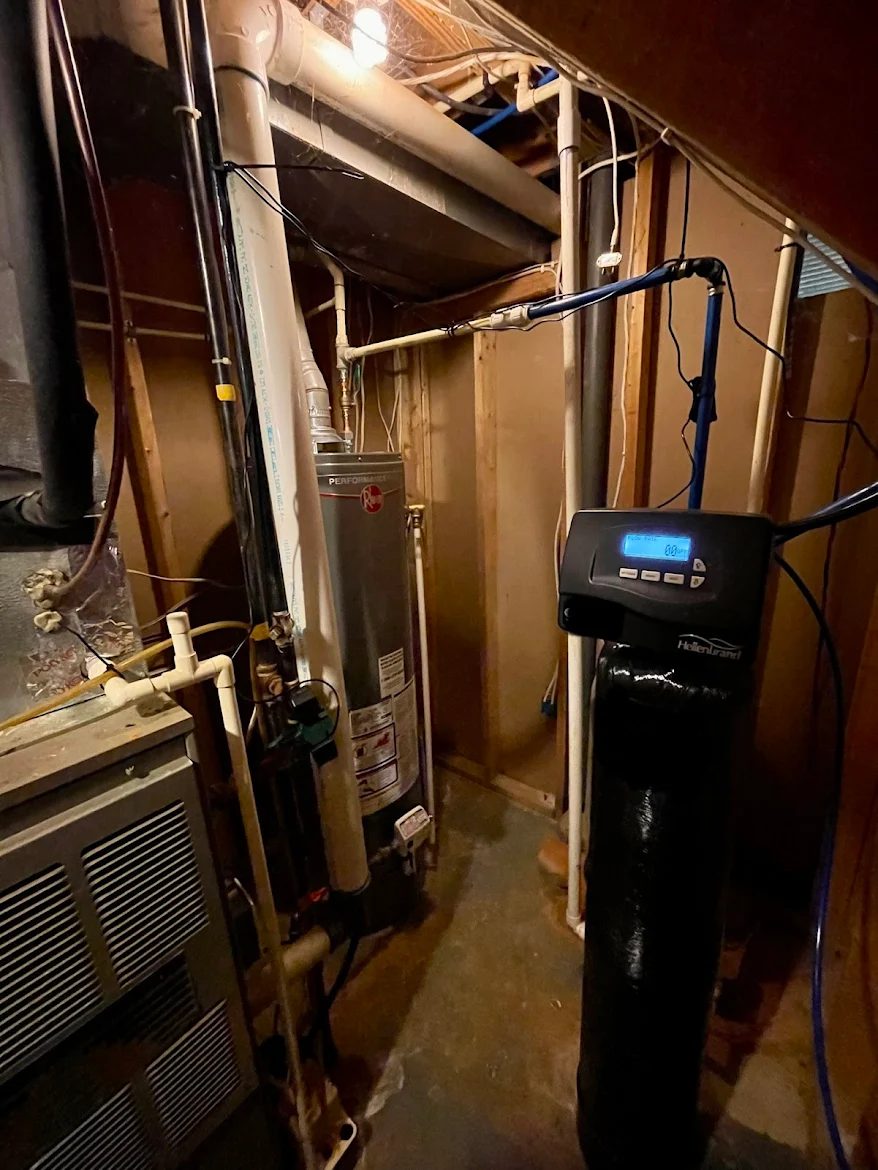
Unlike a noisy furnace or broken AC system, water heaters mostly stay hidden:
- basement corners
- utility closets
- garage walls
- unfinished storage rooms
People rarely think about them unless hot water disappears entirely.
Meanwhile the system slowly deals with:
- sediment buildup
- pressure changes
- heating cycles
- mineral accumulation
- internal corrosion
day after day for years.
At Plumbing Pilots, many homeowners are surprised learning their tank had likely been weakening internally long before visible leaking finally appeared outside the unit.
The leak itself is usually the last stage, not the first one.
Strange Noises Usually Mean Something Is Happening Inside The Tank
This one gets ignored constantly.
A lot of homeowners start hearing:
- popping
- rumbling
- crackling
- banging sounds
coming from the water heater and assume it is “just normal.”
Sometimes sediment buildup settles along the bottom of the tank and hardens over time. Then every heating cycle traps water underneath those mineral layers, creating strange sounds as pressure and heat build inside the system.
The water heater may still technically function for a while afterward.
But internally, the tank is usually working much harder than it should be.
At Plumbing Pilots, unusual tank noises often signal significant sediment buildup already reducing efficiency and increasing long-term stress on the system.
That gradual strain matters more than people realize.
Rust-Colored Water Is A Bigger Warning Than Homeowners Think
Especially when hot water suddenly starts looking:
- brownish
- orange
- rusty
- cloudy
People often hope it is temporary.
Sometimes it is.
But discolored hot water can also indicate corrosion developing inside the tank itself, especially in older systems already approaching the end of their lifespan.
At Plumbing Pilots, rust-colored water frequently becomes one of the earlier warning signs homeowners notice before larger water heater failures eventually happen.
That discoloration deserves attention quickly.
Especially if it appears repeatedly.
Small Leaks Usually Become Larger Leaks
This part seems obvious afterward.
But homeowners naturally want to believe:
“It’s only a tiny drip.”
Meanwhile moisture around the tank can signal:
- internal corrosion
- failing valves
- pressure problems
- tank cracking
- connection deterioration
Once tank corrosion starts spreading internally, the problem rarely reverses itself.
At Plumbing Pilots, many emergency replacement calls begin with homeowners noticing “a little water” weeks earlier before the leak suddenly became much larger overnight.
That escalation can happen surprisingly fast.
Hot Water Running Out Faster Usually Means Efficiency Is Dropping
A lot of people assume shorter hot water duration simply means:
“Everybody took showers already.”
Sometimes that is true.
But if homeowners gradually notice:
- shorter showers
- inconsistent temperatures
- slower recovery time
- fluctuating heat
the water heater may already be struggling internally.
Sediment buildup often reduces efficiency because the heating elements must work harder through layers of mineral accumulation inside the tank.
At Plumbing Pilots, reduced hot water performance often becomes one of the earliest indicators homeowners notice before larger failures develop later.
That decline usually happens slowly enough people adapt around it without realizing how much performance changed.
Basement Flooding Creates Stress Fast
This part escalates emotionally very quickly.
A leaking water heater can damage:
- flooring
- drywall
- storage boxes
- furniture
- finished basement areas
- nearby electrical systems
People suddenly start wondering:
- How bad is this underneath?
- Is mold going to become a problem?
- Did water spread farther than we can see?
- How much is this going to cost?
That anxiety builds immediately once water starts spreading across the floor.
At Plumbing Pilots, emergency water heater calls often involve homeowners actively trying to move belongings while the tank continues leaking nearby.
Those situations feel overwhelming fast.
Older Water Heaters Become Much More Unpredictable
Especially once systems move beyond:
- 10 years
- 12 years
- 15 years
depending on maintenance and water conditions.
A lot of older tanks still technically operate, but internally the system may already be dealing with:
- corrosion
- weakened metal
- mineral buildup
- pressure stress
- failing components
Then one normal heating cycle finally pushes the tank past its limit.
At Plumbing Pilots, homeowners are often shocked learning the system continued operating long after major internal wear had already started developing.
Water heaters usually fail gradually before they fail dramatically.
Cheap Installation Work Causes Long-Term Problems Too
This becomes frustrating for homeowners.
A lot of people inherit plumbing work from:
- previous owners
- rushed contractors
- handyman installations
- improperly sized systems
Everything may appear fine initially.
Then years later issues start appearing around:
- pressure relief valves
- venting
- drainage
- fittings
- expansion control
At Plumbing Pilots, proper installation standards matter because small shortcuts during installation often create expensive problems later after enough years of pressure and heating cycles.
That long-term reliability matters.
Especially with equipment holding dozens of gallons of water inside the home.
Honest Diagnostics Matter A Lot During Plumbing Emergencies
This part matters emotionally for homeowners.
Nobody wants hearing:
“You need everything replaced immediately.”
especially during stressful situations involving leaks or flooding.
At Plumbing Pilots, the focus stays on:
- accurate diagnosis
- honest recommendations
- transparent pricing
- licensed expertise
instead of pressure-heavy sales tactics.
Sometimes the issue requires replacement.
Sometimes it does not.
Homeowners deserve straightforward answers without feeling pushed.
Licensed Experience Makes A Huge Difference
Especially during emergency plumbing situations.
At Plumbing Pilots, every plumber holds a minimum Journeyman License with over 10,000 hours of training and field experience.
That matters because water heater issues often involve:
- gas systems
- pressure management
- venting
- electrical components
- water connections
These are not small DIY risks once major leaking or system failure starts developing.
Homeowners need accurate diagnosis quickly.
Most Water Heater Failures Start Earlier Than People Think
This is probably the biggest pattern overall.
The flooding itself feels sudden.
But usually the warning signs started long before:
- strange noises
- moisture around the tank
- rusty water
- declining hot water
- small leaks
- aging equipment
The system was already struggling quietly.
At Plumbing Pilots, catching those signs earlier often prevents much larger emergency situations later involving:
- basement flooding
- property damage
- emergency replacement stress
- expensive cleanup costs
That preventative attention matters enormously.
Family-Owned Plumbing Companies Feel Different During Emergencies
This part matters more than homeowners expect honestly.
During stressful plumbing situations, people mostly want:
- clear communication
- honest guidance
- licensed professionals
- fair pricing
- somebody who genuinely cares
At Plumbing Pilots, the family-owned, community-focused approach matters because homeowners throughout Northwest Indiana want trustworthy service instead of feeling like another sales number during emergencies.
That human side matters.
Especially when water is spreading across the basement floor.
Frequently Asked Questions
What are the warning signs a water heater may fail soon?
Common warning signs include:
- strange noises
- rusty hot water
- moisture around the tank
- inconsistent hot water
- leaking connections
- reduced hot water supply
How long do water heaters usually last?
Many traditional tank water heaters last around 8 to 12 years depending on maintenance, water quality, and installation conditions.
Should I replace a leaking water heater immediately?
Usually yes.
Even small tank leaks often worsen quickly once internal corrosion begins spreading.
What makes Plumbing Pilots different?
Every plumber at Plumbing Pilots holds a minimum Journeyman License with 10,000+ hours of training and experience. The company focuses on honest diagnostics, transparent pricing, and high-quality workmanship.
What areas do you serve?
Plumbing Pilots serves Portage, Valparaiso, Crown Point, Chesterton, Hobart, Merrillville, Michigan City, Munster, and surrounding Northwest Indiana communities.
Conclusion
A lot of water heater failures around Northwest Indiana do not truly happen “suddenly.”
Usually the system was already showing smaller warning signs quietly:
- strange noises
- declining performance
- corrosion
- moisture
- inconsistent heating
Then one day the leak finally becomes impossible ignoring anymore.
Plumbing Pilots helps homeowners throughout Northwest Indiana avoid stressful water heater emergencies with licensed Journeyman plumbers, honest diagnostics, transparent pricing, quality installations, emergency plumbing service, and genuine local care built around protecting homes instead of pressuring customers.
Concerned About Your Water Heater?
Call Plumbing Pilots at (219) 732-4178 and schedule an inspection or service appointment today.